Basement waterproofing means keeping groundwater, surface runoff, and indoor moisture from damaging the lower levels of your home by using focused systems and repairs at the foundation. This guide explains why basements in Birmingham and Hoover are more prone to dampness, how local issues like expansive clay soil and hydrostatic pressure lead to water intrusion, and which practical fixes—interior drainage, exterior membranes, crawl space encapsulation, and structural repairs—work best here. You’ll learn how to spot common symptoms, compare solution types, plan for long-term protection, and pick a contractor who provides clear estimates and dependable warranties. When you’re ready for an expert look, Stay Dry Waterproofing LLC offers free inspections and full basement waterproofing services and can recommend the best path for your property. Read on for causes, solutions, benefits, hiring tips, maintenance steps, and when to call a pro for Birmingham- and Hoover-specific conditions.
Wet basements around Birmingham and Hoover usually come from a mix of local soil behavior, seasonal rainfall, and failures in surface drainage or foundation defenses. Expansive clay soils common in central Alabama swell when they get wet and shrink when they dry, putting lateral pressure on foundations and opening pathways for water. Heavy or extended rain raises the groundwater table and increases hydrostatic pressure against foundation walls, forcing water through cracks and porous concrete. Surface problems—poor grading, clogged gutters, and downspouts that end too close to the house—make things worse by funneling water toward the foundation instead of away from it. Knowing these causes helps homeowners choose the right combination of interior and exterior fixes to reduce future leaks and structural damage.
Below are the most frequent local causes to watch for during an inspection: expansive clay soil that swells and shrinks seasonally, stressing foundations; higher hydrostatic pressure during heavy rains, pushing groundwater against walls; foundation cracks and gaps in mortar that let water in directly; poor grading and drainage, including blocked gutters and too-short downspouts; and high indoor humidity and condensation that encourage dampness and mold. These common causes point to targeted fixes—grading adjustments, improved drainage, and crack repair—that we cover next.
Expansive clay contains fine particles that soak up water and swell, creating sideways pressure that can shift walls and lift slabs; when the soil dries it contracts and can leave gaps that lead to uneven settlement. This cycle produces hairline and larger cracks and can even cause bowed walls—both signs of structural stress that also let water in. Typical mitigation reduces moisture swings near the foundation through better drainage and, when movement is significant, adds structural supports like helical piers or wall anchors. Tackling the soil-driven cause cuts down on repeat cracking and helps waterproofing systems last longer by removing the main source of movement.
The presence of montmorillonite in local clays means water uptake can cause notable swelling and pressure on foundations.
Understanding how the soil behaves points directly to effective solutions like interior drainage and structural stabilization, which we describe below.
Hydrostatic pressure is the force groundwater applies to buried structures; when the water table rises during heavy or prolonged rain that pressure increases and pushes water through joints, cracks, and even porous concrete. Picture saturated soil as a sponge around the foundation—when that sponge is squeezed by rising groundwater, water finds whatever route it can into the basement. Interior systems such as perimeter French drains that collect water at the footing and a sump pump that removes it reduce this pressure by giving the water a controlled outlet. Lowering hydrostatic pressure at the wall base prevents seepage and protects waterproofing membranes from constant inward load.
Effective hydrostatic relief is essential for preventing water damage and keeping underground spaces usable.
Relieving hydrostatic pressure is therefore a primary design goal for both interior and exterior waterproofing approaches.
Foundation cracks act as direct paths for water and are often the visible result of soil movement, settlement, or thermal stress; different crack patterns hint at how severe the problem is and what repair is needed. Small hairline cracks may only need sealing and improved interior drainage, while structural cracks or shifting walls usually require foundation repair plus drainage fixes. Surface drainage failures—overflowing gutters or downspouts that dump near the foundation—saturate the soil and steadily raise the water level beside walls. Short-term DIY measures like sealing gutters and adding longer downspout extensions can help, but persistent or structural issues should be evaluated by a professional who can map cracks to the right corrective measures.
When visual signs point to drainage problems, inspectors typically recommend fixes that move from surface corrections to foundation repairs as required.
Waterproofing strategies generally fall into interior systems, exterior systems, crawl space approaches, and structural foundation repairs. Choose based on what’s causing the problem and what you value most. Interior drainage systems capture incoming water and divert it to a sump basin where a pump ejects it—great when hydrostatic pressure pushes water in at the footing or wall-floor seam. Exterior membranes and excavation create a barrier between soil and wall and are best when exterior leaks or saturated soil are the active source. Crawl space encapsulation seals ground vapor beneath the house, uses a dehumidifier to control humidity, and lowers the home’s overall moisture load. Structural options—helical piers and wall anchors—address movement, transfer loads to stable soil, and restore alignment so waterproofing measures last.
Interior drainage systems intercept groundwater that reaches the footing or wall-floor joint and channel it into a perforated pipe that runs to a central sump basin. A sump pump then removes the collected water to a safe discharge point away from the foundation. Key components include a drainage channel or perforated pipe, a gravel bed for filtration, a sump basin with a float-activated pump, and often a battery backup for power outages. Choosing between submersible and pedestal pumps depends on flow rates and space; in heavy-rain regions we recommend battery backup and alarms to guard against failure during storms. Regular testing—pouring water into the basin to confirm the pump starts—is a simple way to keep the system reliable and lower the risk of unexpected flooding.
Proper maintenance and a backup plan extend system life and protect your home in severe weather.
Exterior waterproofing usually means excavating down to the footing, applying waterproof membranes or coatings, installing a drainage board or exterior French drain, and correcting grading so surface water flows away from the foundation. These measures stop water before it reaches the wall and reduce hydrostatic load by improving soil drainage. They’re especially valuable where exterior leaks or poor lot grading are the main problem. Exterior work costs more and disturbs landscaping more than interior fixes, but when soil saturation is persistent it can be the most definitive solution. Combining an exterior membrane with internal drainage creates redundancy and gives the best long-term protection for vulnerable foundations.
When exterior access is available, these methods reduce interior moisture and often prevent recurrence.
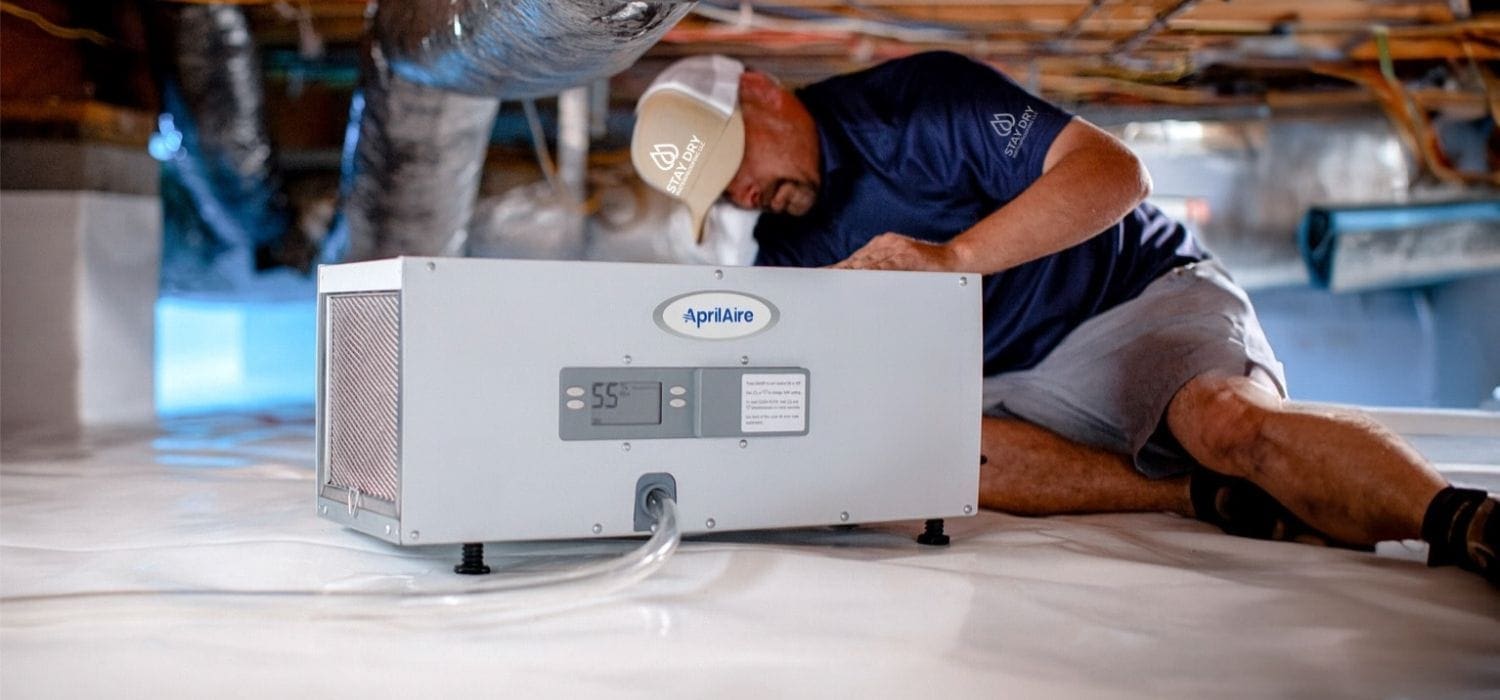
Crawl space encapsulation seals the ground with a heavy-duty vapor barrier, closes vents and openings, adds insulation where needed, and uses a dehumidifier to control relative humidity and stop moisture migration into living spaces. By removing a continuous moisture source under the house, encapsulation reduces indoor humidity, lowers mold risk, and can improve HVAC efficiency because drier air mixes with conditioned air. Taped seams, insulated walls, and conditioned air supplies turn a damp crawl space into a controlled environment, breaking the moisture cycles that feed basement problems. Where crawl space moisture is affecting basements or foundations, encapsulation is a complementary investment that improves the performance of sump systems and exterior waterproofing.
Controlling crawl space humidity is important — it directly affects indoor air quality and helps prevent mold and contamination from moving into the home.
Correct encapsulation limits long-term moisture sources and improves indoor air quality throughout the home.
Waterproofing brings health, structural, financial, and comfort benefits by removing moisture that causes mold, rot, and foundation damage. A dry basement reduces mold growth and allergens, protects structural components from rot or corrosion, creates usable living or storage space, and helps control indoor humidity for better energy efficiency. Homeowners who invest in comprehensive solutions often see lower long-term maintenance costs and stronger resale appeal. Locally, choosing a company that offers free inspections, comprehensive solutions, and a lifetime workmanship warranty adds peace of mind by making sure repairs are evaluated and protected over time.
Stopping water entry and lowering humidity removes the conditions mold needs to grow, which improves indoor air quality and reduces respiratory triggers. Waterproofing systems, paired with dehumidifiers and crawl space encapsulation, help keep relative humidity at levels unfavorable for mold and limit both visible and hidden growth in insulation, framing, and stored items. Better air quality often means fewer allergy and asthma flare-ups and makes basement spaces safe for finished use or storage. Sustained moisture control reduces ongoing maintenance costs and lowers the chance you’ll need future mold remediation or structural replacement.
In short, reducing moisture protects both occupant health and the building itself.
Waterproofing stops the gradual damage that leads to wall bowing, floor settling, and corrosion of metal components; by arresting those processes it preserves structural capacity and cuts the likelihood of costly emergency repairs. A documented waterproofing plan with clear system descriptions and warranties reassures buyers and appraisers, which can improve resale value and marketability. Preventing moisture-related problems also avoids secondary issues—wood rot, electrical hazards, and reduced HVAC efficiency—that shorten a home’s useful life. Investing in waterproofing is a risk-managed step that helps protect equity by avoiding expensive future repairs.
These structural and financial benefits make waterproofing a smart investment in long-term home upkeep.
Pick a contractor who can demonstrate local experience, clear warranty terms, a thorough inspection process, transparent pricing, and knowledge of Birmingham and Hoover soil and rainfall patterns. Look for clear scopes of work, itemized estimates, local project references, and meaningful workmanship warranties that cover installation quality. Make sure inspections evaluate grading, gutter performance, interior drainage, and structural signs, and that financing or phased solutions are available when needed. Avoid companies that make vague promises or demand large upfront payments without a detailed contract; prioritize contractors who document their approach and back it with a warranty and local case examples.
Use the following checklist when interviewing contractors and making your decision: verify local project references by asking for recent Birmingham or Hoover examples that describe the repairs performed; confirm warranty details by requesting written terms for workmanship and material coverage; get a written scope and itemized estimate, ensuring specifics on excavation, drainage, pumps, and cleanup; and ask about inspection inclusions and follow-up to know what the inspector evaluates and what to expect after the visit.
Free inspections remove the initial cost barrier and give you a professional diagnosis so you can compare options and quotes fairly. During a free inspection expect a walkthrough that documents visible symptoms, grading and gutter condition, interior moisture indicators, and recommended next steps. Financing helps homeowners move forward with comprehensive solutions by spreading payments over time or enabling phased work that addresses the most urgent issues first. Always get a written estimate that covers payment schedules, warranties, and a clear timeline before agreeing to any financing or start of work.
Free, thorough inspections plus transparent financing make long-lasting waterproofing accessible and reduce the chance of incomplete or temporary repairs.
Long-term protection depends on regular inspection and routine maintenance that keep systems working and water away from the foundation. Key tasks include sump pump testing, gutter cleaning, extending downspouts, and watching for new cracks or moisture signs. Seasonal checks—especially before and after the rainy season—catch problems early and make repairs easier and less expensive. Keeping simple maintenance records also supports warranty claims and speeds service responses from contractors. Treat waterproofing as an ongoing program rather than a one-time fix to extend system life and protect insurance and resale value.
To stay on top of moisture issues, use the following practical maintenance checklist: test the sump pump quarterly by pouring water into the basin to confirm activation; clean gutters and downspouts seasonally and ensure downspout extensions move water 5–10 feet from the foundation; inspect sump pump alarms and battery backups before storm seasons; monitor indoor humidity with a hygrometer and run a dehumidifier if relative humidity exceeds recommended levels; and photograph and log any new cracks or stains, comparing them over time for signs of progression. Following this checklist regularly reduces emergency repairs and improves system reliability.
Regular sump pump testing confirms your primary defense against interior flooding will work when needed. Test by pouring water into the basin until the float triggers the pump, then verify water is discharged away from the home. Battery backups and audible alarms protect you during power outages, and checking electrical connections and check valves prevents common failures. Gutter care prevents concentrated surface runoff by keeping channels clear and directing water away from the foundation. Together, a ready sump pump and functioning gutters form the first line of defense to protect both interior drainage and exterior grading.
Routine testing and cleaning reduce the chance of simultaneous failures during heavy rains and extend component life.
Monitoring combines simple visual methods—dated photos, crack markers, and a log of moisture events—with periodic moisture-meter checks in areas that feel damp but don’t show stains. Create baseline documentation after repairs or initial inspections so any new movement is easier to spot and measure; photo timelines are especially helpful for contractors diagnosing changes. Escalate to a professional inspection if cracks widen beyond a few millimeters, if walls bow, if flooding recurs, or if mold affects large areas. Early documentation and prompt action keep repair options open and reduce the chance that a small problem becomes a major repair.
A steady monitoring routine helps homeowners and contractors make objective repair decisions before damage becomes extensive.
Certain visual and sensory signs reliably point to the need for waterproofing. Spotting them early lets you act before structural or health problems grow. Common signs include standing water or damp floors after rain, musty odors or visible mold, efflorescence (white mineral deposits) on masonry, peeling paint, warped wood, and persistent condensation on pipes and walls. When these signs are frequent or widespread, they indicate an active moisture source that simple surface fixes won’t solve. Knowing which signs need immediate action versus monitoring helps you prioritize repairs and hire the right professional.
Use the following quick checklist to identify urgent conditions and next steps: visible water pooling or persistent dampness on basement floors or walls; musty odors, visible mold, or efflorescence on masonry surfaces; peeling paint, warped wood, or rust on appliances and fixtures; and repeated condensation on walls and pipes even in moderate temperatures. Document occurrences from this checklist to help decide when to schedule a professional inspection.
Visual indicators include standing water, staining or discoloration on walls and floors, and mineral deposits that show past or ongoing moisture intrusion. Odor indicators—mustiness or a mold-like smell—often mean hidden mold in insulation, wood, or drywall that needs checking. For visible mold, avoid disturbing it and document the area with photos before mitigation; small patches can sometimes be remediated, but widespread mold requires professional remediation paired with waterproofing. Use a moisture meter or probe on suspect areas and compare readings to typical interior humidity—objective data like this supports a contractor’s diagnosis. Prompt documentation and testing turn smells and marks into a clear repair plan.
Finding these signals early reduces the scope of work and limits health and material impacts.
Call in a professional when problems keep coming back, when structural signs appear, or when moisture affects air quality or creates visible mold beyond a small isolated patch—examples include repeated flooding after rain, wall bowing, floor heave, or large areas of mold. Document how often and how severe the events are, take photos, and note any temporary fixes you tried; this information helps contractors give accurate diagnoses and estimates. Pros will evaluate grading, gutter performance, hydrostatic conditions, foundation movement, and interior drainage capacity to recommend a prioritized solution. Early professional involvement prevents small, fixable issues from turning into major foundation repairs and lowers total lifecycle costs.
A timely professional inspection is the best way to turn warning signs into a durable, code-compliant repair plan.
Basement waterproofing is a smart, necessary step for Birmingham and Hoover homeowners who want to protect their homes from moisture damage, mold, and structural decline. Installing the right solutions—interior drainage, exterior membranes, or crawl space encapsulation—can improve comfort, expand usable space, and protect your property value. Regular maintenance and professional inspections keep systems working long term and give you peace of mind. Ready to start? Schedule your free inspection with Stay Dry Waterproofing LLC and get a local, honest evaluation of the best next steps for your home.
Check out our social pages for updates on what we have going on!

Stay Dry Waterproofing LLC
12500 Bedford Forrest Ln, McCalla, AL, 35111
120 19th St N Ste 208, Birmingham, AL 35203
Monday - Friday: 6:00am - 6:00pm