Crawl spaces are easy to overlook, but they affect a home’s structure and the air you breathe. Birmingham, AL, homeowners often weigh two paths: repairing damaged structural elements or sealing the space with encapsulation to control moisture. This guide explains how each approach works and the benefits you can expect, so you can choose the right solution for your home.
Repair and encapsulation address different needs. Repair focuses on correcting structural problems, and encapsulation focuses on sealing and protecting the space from moisture and its downstream issues.
Crawl space repair focuses on addressing issues such as sagging beams and water damage to keep the foundation sound. Encapsulation seals the crawl space with a continuous vapor barrier to block ground and outdoor humidity—a key step in preventing mold and protecting indoor air. The best choice depends on the crawl space’s condition and your long-term goals.
Repair work stabilizes the house. Common steps include stopping leaks, improving drainage, and repairing or reinforcing damaged supports. Addressing these issues early halts deterioration and protects the foundation.
Typical waterproofing measures—sealants, sump pumps, and improved drainage—help divert water away from the foundation. Structural repairs may involve replacing rotten supports or reinforcing beams to keep floors and framing level and secure. These interventions also preserve your home’s value.
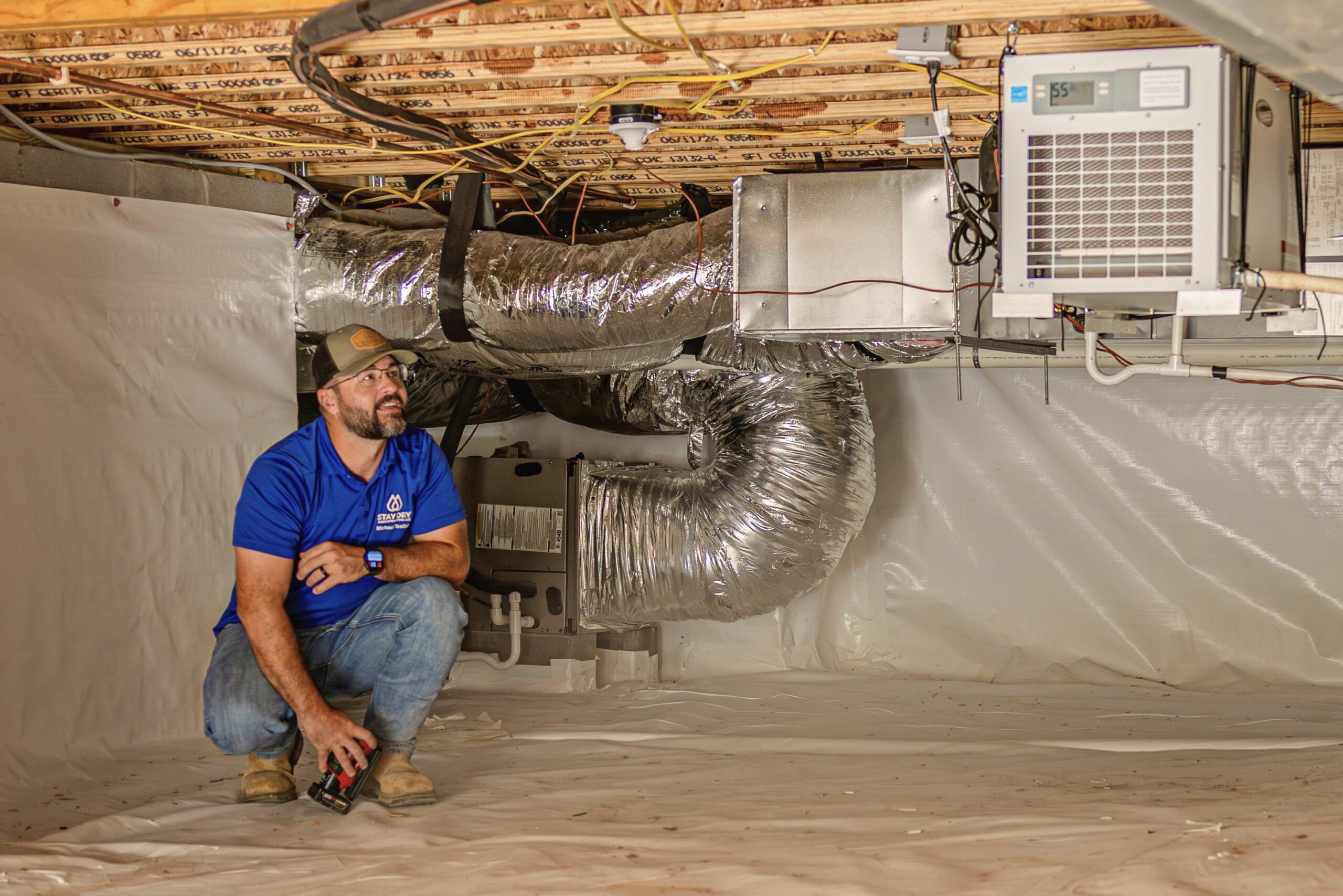
Encapsulation reduces moisture at its source. A properly installed continuous vapor barrier over the crawl space floor and walls isolates the area from ground and outdoor humidity, lowering relative humidity and discouraging mold growth.
A sealed crawl space limits the movement of spores into living areas, which improves indoor air quality. It also eases the load on heating and cooling systems and can lead to measurable energy savings over time.
The right approach depends on the extent of visible damage, moisture levels, and budget. Choose repair when there are clear structural failures—for example, sagging floors, compromised supports, or significant wood rot.
Encapsulation is appropriate when humidity or mold is the primary concern and the structure is sound. Often, a professional inspection reveals whether repair, encapsulation, or both are necessary.
Watch for these warning signs that indicate repair may be required:
Catching these issues early can help prevent more extensive damage and higher costs down the road.
Encapsulation is effective for moisture control, but doesn’t fix damaged beams or other structural failures. If supports are compromised or there is substantial water damage, structural repair must come first.
Once structural issues are repaired, encapsulation can protect those repairs by limiting future moisture exposure. A professional inspection will determine the proper sequence of work.
Sealing the crawl space restricts humid air from entering the living area and lowers overall indoor humidity. That produces healthier air and reduces strain on HVAC systems, which often lowers energy use.
With lower moisture levels, the risk of mold and mildew declines, improving comfort and air quality for occupants. Homeowners typically see comfort and efficiency gains after a well-installed encapsulation system is installed.
The effectiveness of an encapsulation depends on the choice of material and installation. Common options include:
Choosing high-quality materials and professional installation is important for reliable, long-term results. A basic understanding of heat and moisture behavior in unventilated crawl spaces is essential for effective encapsulation design.
Encapsulation changes airflow patterns in a home. When the crawl space is sealed, HVAC systems may need adjustments to preserve proper ventilation and temperature balance.
Because encapsulation reduces infiltration of outside air, work with HVAC professionals to verify airflow and update ventilation as needed to maintain healthy indoor air.
Routine care helps keep results lasting. Recommended steps include:
Following these practices helps protect your investment over time.
To keep a crawl space dry and healthy, follow these best practices:
These steps significantly reduce mold risk and help maintain a healthier environment.
Regular professional checkups are a smart way to catch problems early. Consider these timing guidelines:
Proactive assessments help you stay ahead of issues and protect your home.
Deciding between repair and encapsulation is an important step in protecting your home’s integrity and comfort. Repair resolves structural issues, and encapsulation manages moisture and improves indoor air quality, often delivering long-term energy savings. A pro assessment will point you to the most appropriate plan. Take the first step today by contacting our local experts who can help safeguard your Birmingham home.
Check out our social pages for updates on what we have going on!

Stay Dry Waterproofing LLC
12500 Bedford Forrest Ln, McCalla, AL, 35111
Monday - Friday: 6:00am - 6:00pm