If you own an older home in Mountain Brook, AL, or Homewood, AL, foundation waterproofing is one of the smartest investments you can make. As houses age, they become more vulnerable to moisture entry, which can cause structural damage, mold, and costly repairs.
This guide walks through the common waterproofing methods, how to spot trouble early, and practical steps to help keep your foundation dry. Read on to feel more confident about the options and next steps for protecting your home.
Foundation Waterproofing Techniques
Foundation waterproofing uses several proven approaches to stop water from reaching the foundation and finished spaces. Older houses often need more attention because original materials or construction details may not meet today’s standards. Typical solutions include exterior waterproofing, interior waterproofing, and crawl space encapsulation—each suited to specific problems and budgets.
Choosing the right solution means considering local weather and soil conditions. In our area, clay-heavy soils can hold moisture against foundations, so effective drainage and site grading are often as important as the waterproofing products themselves.
A professional assessment will help match the right method to your house’s needs.
- Crawl space encapsulation: Seals the crawl space with a durable vapor barrier and sealing details to prevent moisture, improve air quality, and enhance energy efficiency.
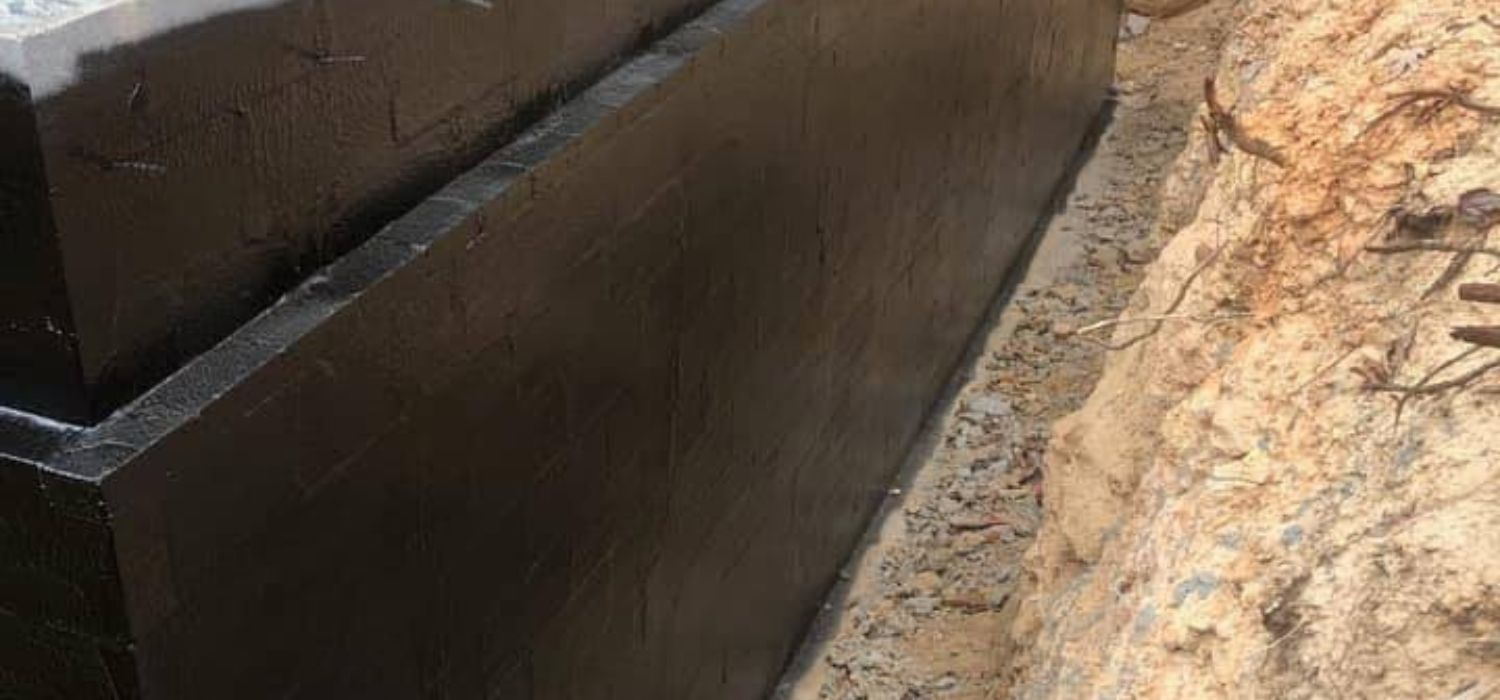
- Exterior waterproofing: Applies a membrane to the exterior of foundation walls and is often paired with drainage to direct water away from the home.
- Interior waterproofing: Manages water that has already entered, typically using interior drains and a sump pump system to collect and safely remove it.
Benefits of Waterproofing
Waterproofing older homes brings several clear advantages:
- Improves indoor air quality: Controlling moisture reduces mold and mildew, creating a healthier home environment for people with allergies or asthma.
- Increases property value: A dry, well-maintained foundation is appealing to buyers and helps protect your home’s long-term value.
- Prevents water damage: Proper waterproofing keeps moisture out of the foundation, reducing the risk of structural problems and costly repairs.
For homeowners in Mountain Brook and Homewood, investing in waterproofing can prevent major repair costs down the road and preserve the property’s value.
Considerations for Older Homes
Older homes require extra care when choosing and installing waterproofing systems.
- Professional assessment: A licensed waterproofing service or foundation specialist can evaluate your home’s specific risks and recommend the most effective approach.
- Regular inspections: Frequent checks help catch small issues before they become big problems, saving time and money.
- Soil and weather conditions: Local climate and soil type affect what works best. Clay soils and heavy seasonal rains often call for stronger drainage solutions.
Common Signs of Foundation Moisture Problems in Older Homes
Detecting moisture early lets you address the root cause before damage spreads. Watch for these common signs:
- Cracks in walls: New or widening cracks in foundation or interior walls can indicate water-related movement.
- Musty smell: A constant musty odor in the basement or crawl space often indicates mold or persistent dampness.
- Rust on metal parts: Rust on beams, fasteners, or plumbing suggests prolonged exposure to moisture.
Causes
Several factors commonly lead to foundation moisture in older homes:
- Humidity: High indoor or crawl space humidity can cause condensation and ongoing moisture problems.
- Poor drainage: If water pools near the foundation, it increases the risk of seepage and pressure on the walls.
- Soil saturation: Heavy rains or flooding can overload local drainage systems and allow water to push through foundation systems.
Potential Impacts on Property Integrity
Moisture issues left unchecked can seriously affect a home’s condition:
- Increased repair costs: Fixing damage after it occurs is typically far more expensive than preventing it.
- Mold growth: Persistent dampness encourages mold growth, which is both a health concern and a remediation cost.
- Structural damage: Ongoing exposure to water can weaken foundations and structural elements.
How To Identify Foundation Cracks and Water Intrusion Symptoms
Regular checks help you catch foundation problems early. Key indicators include:
- Structural changes: Doors and windows that stick or fail to close properly may indicate foundation shifting.
- Visible cracks: Watch foundation walls for new or widening cracks, which can signal settling or movement.
- Water damage: Stains, peeling paint, or efflorescence on walls or floors often mean water is present.
Why Older Homes in Mountain Brook and Homewood Are More Vulnerable to Moisture Damage
Several local and age-related factors make older homes more at risk, including the following:
- Foundation age and condition: Older foundations often have cracks, wear, or outdated construction details that allow water in.
- Poor drainage systems: Many older properties lack modern grading and drainage, making them more vulnerable during heavy rains.
- Soil composition: Clay-rich soils, common in the region, retain water near foundations and increase pressure on walls.
Best Exterior Foundation Waterproofing Techniques for Older Homes
Several exterior strategies work well for older homes when paired with proper site drainage:
- Crawl space encapsulation: Sealing and insulating the crawl space helps keep foundation assemblies dry and stable.
- Downspout extensions: Directing roof runoff farther from the foundation reduces the volume of water near the house.
- French drains: Redirect groundwater away from the foundation to prevent pooling and seepage.
Benefits of a Moisture Barrier Installation on Exterior Foundations
Installing moisture barriers on exterior foundations delivers clear advantages:
- Prevention of water intrusion: Barriers block water from reaching foundation walls, reducing the risk of leaks.
- Protection against mold: A drier foundation environment makes mold growth far less likely, improving indoor health.
- Reduction of hydrostatic pressure: By limiting water buildup, barriers reduce the pressure pushing against foundation walls.
How Crawl Space Waterproofing Improves Foundation Health in Homewood
Proper crawl space waterproofing protects the foundation and the living spaces above:
- Energy efficiency: Lower humidity and sealed ductwork or floor cavities can improve comfort and reduce energy use.
- Improved indoor air quality: A dry crawl space reduces allergens and musty odors that can circulate throughout the house.
- Moisture control: Sealing the crawl space prevents vapor and groundwater from contacting the foundation.
How the Local Climate Affects Foundation Waterproofing Needs in Mountain Brook and Homewood
Local climate factors guide which waterproofing measures are appropriate:
- Clay-rich soil: Clay holds water near foundations, making site drainage and barriers more important.
- Fluctuating groundwater levels: Rising and falling groundwater levels can affect the performance of certain waterproofing methods, so periodic reassessment is prudent.
- Heavy rainfall: Areas prone to heavy or frequent rain may require more robust drainage and waterproofing systems.
What Impact Does Alabama’s Rainfall Have on Older Foundations?
Alabama’s rainfall patterns can significantly affect older foundations and can lead to the following:
- Damp crawl spaces: Persistent moisture increases humidity, encouraging mold and rot.
- Foundation cracks: Excess water can saturate soils, increasing the risk of cracking and movement.
- Poor grading: Inadequate slope away from the house makes water intrusion far more likely during storms.
How Do Soil Conditions Influence Waterproofing Solutions?
Soil conditions are central to choosing effective waterproofing:
- Crawl space encapsulation: In high-moisture areas, a sealed crawl space limits vapor movement and protects structural wood.
- Drainage management: Proper drainage and grading are essential where clay-rich soils retain moisture.
- Interior and exterior waterproofing: Often, the best results are achieved by combining exterior membranes with interior drainage and sump systems.
Effective Foundation Crack Repair and Prevention Methods
Fixing cracks promptly preserves structural integrity. Effective steps include:
- Drainage management: Correcting the surface grade and installing drains reduces the forces that cause new cracks.
- Professional inspection: A qualified inspector can determine whether cracks are cosmetic or structural and recommend appropriate repairs.
- Waterproofing solutions: Injecting or sealing cracks and adding drainage prevents water entry and further deterioration.
How To Choose the Right Materials for Foundation Crack Repair in Homewood
Selecting appropriate repair materials matters for durability. You should do the following:
- Identify the type of crack: Knowing whether a crack is structural or nonstructural guides material selection and repair methods.
- Assess local conditions: Consider soil type, groundwater, and climate when selecting repair products.
- Select appropriate materials: Use proven, high-quality products designed for foundation repair to ensure a long-lasting fix.
Maintenance Practices for Preventing Future Foundation Damage
Preventing future issues requires ongoing attention:
- Monitor for signs of damage: Watch for new cracks, stains, or musty odors, and address them promptly.
- Professional inspections: Schedule periodic inspections to catch early signs of trouble.
- Waterproofing measures: Maintain and update waterproofing components as needed to keep them effective.
How To Maintain and Inspect Waterproofed Foundations in Older Homes
Keeping waterproofing systems in good shape ensures long-term performance:
- Maintenance schedules: Establish a routine for inspections, debris removal, and sump pump testing to avoid surprises.
- Signs of potential issues: Look for fresh water stains, new odors, or pooling water, and act quickly if you find them.
- Visual inspection techniques: Check foundations for cracks, failing sealants, or worn coatings, and note any changes.
When Should Homeowners Schedule Professional Waterproofing Inspections?
Call a professional when warning signs appear or after major weather events:
- Consequences of neglect: Ignoring moisture problems often leads to expensive structural or health-related repairs later.
- Indicators for inspection: Noticeable cracks, water stains, persistent dampness, or a failing sump pump are all reasons to schedule an inspection.
- Recommended frequency: Regular inspections—and checks after heavy rains or flooding—help catch issues early.
Key Maintenance Tips To Help Extend Waterproofing
Simple maintenance steps help protective systems last longer. You should do the following:
- Address moisture issues promptly: Fast action on leaks or pooling prevents costly follow-up repairs.
- Monitor drainage systems: Keep gutters, downspouts, and drains clear so water flows away from the foundation.
- Schedule regular inspections: Routine checks let you repair small issues before they grow.
Costs and Benefits of Foundation Waterproofing Services in Mountain Brook and Homewood
Waterproofing is an investment that delivers immediate protection and long-term savings. A dry, well-documented foundation increases property value by making a home more attractive to buyers and helping preserve resale value. While the initial investment can vary depending on home size, accessibility, and the methods used, proper waterproofing ultimately leads to long-term savings by preventing costly structural repairs, mold remediation, and potential insurance claims.
How Does an Investment in Waterproofing Protect Property Value?
Spending on waterproofing helps preserve what homeowners care about most. Controlling moisture improves health and safety by reducing the risk of mold and enhancing indoor air quality. It also protects long-term value by maintaining the home’s condition and appeal over time. Additionally, waterproofing supports structural integrity, ensuring the foundation remains sound and helping prevent major repairs.
What Factors Influence Foundation Waterproofing Pricing in Alabama?
Several elements affect the final cost of waterproofing work, including:
- Extent of damage: More severe or widespread moisture issues require larger repairs and higher costs.
- Location: Properties in areas with difficult access or challenging soil conditions may require more extensive solutions.
- Soil conditions: The soil type around the foundation influences the techniques and materials required.
Conclusion
For homeowners in Mountain Brook and Homewood, protecting an older foundation with appropriate waterproofing is practical and preventative. The right combination of exterior drainage, interior controls, and crawl space solutions improves structural resilience, indoor air quality, and property value. If you’re concerned about moisture or see warning signs, take the next step: contact us for an expert assessment to identify the most effective, long-term solution for your home.