Homeowners in Vestavia Hills and Mountain Brook commonly choose between two practical ways to protect foundations: subsurface French drains that intercept groundwater, and downspout extensions that move roof runoff away from the house. This guide breaks down how each system works, when each is the smarter choice, and how our local factors—Alabama’s clay soils and rolling lot grades—change the recommendation. You’ll get component-level details for French drains, the main types and routing options for downspout extensions, a side-by-side comparison to help decide what fits your yard, and straightforward maintenance tips to keep systems working longer. We also explain how combining solutions can give the most complete protection, and when a professional on-site assessment is worth scheduling. Stay Dry Waterproofing can perform inspections and install drainage solutions in Vestavia Hills and Mountain Brook; we specialize in French drains, downspout drains, crawlspace encapsulation, foundation repair, and waterproofing. Read on for clear checklists, maintenance calendars, and local decision guidance tailored to area yards and foundations.
A French drain is an exterior system that catches subsurface water in a gravel-filled trench with a perforated pipe and sends it to a safe outlet or sump. Properly installed, it protects foundations and keeps yards from staying soggy. The system depends on a permeable trench and geotextile fabric to keep fine soil out while directing groundwater into the pipe, lowering hydrostatic pressure on foundation walls and reducing seepage or crawlspace moisture. Key parts to remember are the perforated pipe, the gravel trench, and the filter fabric. Those elements explain why French drains are the right fix for persistent groundwater or high water-table problems—common where soils don’t drain well. The next section walks through how water moves into a French drain and how outlets or sump connections finish the job.
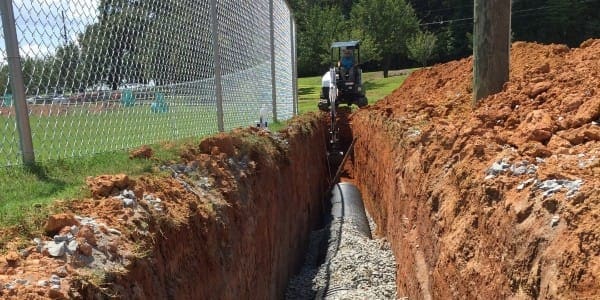
French drains use layered filtration and gravity to move groundwater away from trouble spots. A trench is lined with geotextile fabric to limit soil migration, filled with clean gravel, and fitted with a perforated pipe that leads to a daylight outlet or a sump pump. By intercepting water before it reaches footings, the system reduces the pressure that pushes moisture into basements or crawlspaces. This setup is especially effective on downslope yards or at foundation low points where water tends to collect—making the flow path clear and the solution appropriate when subsurface water is the problem.
A French drain gives groundwater a low-resistance route away from structures, which reduces hydrostatic pressure and the chance of seepage. Water moves through the soil, passes through the geotextile fabric (which filters sediments), flows into the gravel matrix, and then enters the perforated pipe. That pipe carries the water to daylight, a storm sewer, or a sump pump. Each component plays a role: gravel stores and channels water, fabric protects the pipe from clogging, and the pipe provides positive transport. If the outlet is uphill or unavailable, a sump connection is required to lift and discharge water—adding complexity to the install and future maintenance. Knowing how these parts work helps you spot local signs that a French drain may be needed.
Think about a French drain when you see persistent yard saturation, recurring dampness in a basement or crawlspace, or standing water near foundation walls after rain. Typical warning signs include repeated pooling in the same low spot, musty crawlspace odors, or water seeping through masonry joints—these point to groundwater issues rather than just roof runoff. Site features that favor a French drain include poorly draining clay soil, a high seasonal water table, or lots where regrading alone won’t fix localized saturation. If problems continue after correcting gutters and downspouts, get a professional evaluation—French drain installation usually requires trenching, proper outlet routing, and coordination with storm infrastructure.
Downspout extensions are simple devices that attach to gutters to route roof runoff away from a foundation. They reduce the amount of surface water hitting footings and help prevent erosion near the home. Extensions create a surface or buried path from the downspout to a safe discharge like a sloped yard, dry swale, or storm drain. Options range from quick flexible extenders to rigid corrugated runs and fully buried pipes that daylight away from the house. Downspout extensions primarily address surface roof runoff—not subsurface groundwater—making them a cost-effective, low-complexity first step in many drainage plans. The section below reviews connection methods, routing choices, and the risks of poor termination that can move problems onto neighboring properties.
To divert roof runoff, downspout extensions attach directly to the gutter outlet and carry water along a controlled path away from the foundation. Surface routing with rigid or flexible extensions discharges water a few feet from the house to preserve grade; buried runs carry water farther to a safe outlet. Proper termination—daylighting to a slope or tying into storm drainage—prevents pooling. Terminating into flat areas or toward neighbors can simply shift the issue rather than solve it. This routing logic helps decide which extension type best fits a given lot and prepares you for the practical fit discussion that follows.
Downspout extensions connect to gutter downspouts and guide concentrated roof runoff along a controlled route so water won’t saturate the foundation or erode soil. Common attachment methods include slip-on flexible extenders, snap-fit rigid elbows, or corrugated tubing that can be laid on the surface or buried. Each routing approach affects durability and looks. Best practice is to direct water to a downhill grade, a dry swale, or a storm drain while keeping a positive slope from the foundation; never aim outlets at neighboring properties. Because extensions deal with surface water, they’re the first line of defense against roof-driven runoff and often pair well with subsurface measures when groundwater is also an issue.
Local properties typically use three extension types: flexible extenders for quick, temporary control; rigid surface pipes for durable, visible runs; and buried or underground runs for discreet drainage to a distant outlet. Flexible extenders are inexpensive and easy to install but can kink or move, so they work best as short- to medium-term fixes. Rigid corrugated or solid pipe holds up to foot traffic and landscaping work and offers a solid balance of cost and longevity for many yards. Buried extensions that daylight or tie into storm systems are the cleanest long-term choice when space and slope allow, though they require excavation and careful grading to keep water flowing properly.
French drains and downspout extensions play different but complementary roles. French drains intercept subsurface water and reduce hydrostatic pressure; downspout extensions handle surface roof runoff and prevent immediate foundation splash-back. Their installation complexity, cost, and maintenance needs differ: French drains usually need trenching, geotextile lining, and outlet routing, while downspout extensions are often a homeowner install and lower cost. Maintenance also differs—French drains need periodic outlet inspection and occasional flushing to avoid clogging, while downspout extensions require regular gutter and downspout cleaning and occasional repositioning. The right system depends on whether the dominant source is surface runoff or groundwater. If you’re not sure which you have, a professional assessment will identify the root cause and recommend the proper solution.
Functionally, French drains deal with groundwater and long-term hydrostatic pressure, while downspout extensions address short-term roof-driven runoff at the foundation line. Cost drivers differ: French drains involve excavation, perforated pipe, geotextile fabric, and outlet routing, which raises labor and design needs. Downspout extensions are mainly material and modest labor. Value depends on the problem: an extension can fix many surface runoff issues quickly, but ongoing water against the foundation often justifies the higher upfront cost of a French drain to prevent structural or moisture damage. A sensible, staged approach is to correct gutters and extensions first and add subsurface solutions if symptoms persist.
Absolutely. Combining both solutions is often the most effective strategy. Start by making sure gutters and downspout extensions move roof runoff well away from the house, then add French drains to intercept remaining subsurface flow or address a high water table. In a combined system, surface water is routed away to reduce the load on the subsurface system, and a perimeter French drain intercepts groundwater and conveys it to an outlet or sump. After installing extensions, monitor the site—if dampness or seepage continues, schedule a professional evaluation for subsurface mitigation. This integrated approach lowers risk and extends the life of both systems by addressing the actual water sources impacting your property.
Local decisions should account for Alabama’s clay soils, seasonal rainfall patterns, and the hilly terrain that many Vestavia Hills and Mountain Brook lots share. Clay has low permeability and holds water near the surface, increasing standing water and slowing infiltration; when heavy rains hit, both surface and subsurface management become critical for protecting foundations. Lot slope and micro-topography determine where water concentrates, which changes whether grading, downspout routing, or subsurface drainage will work best. Clay soils and strong storms often point toward subsurface measures, while slope and concentrated runoff may be solved with careful surface routing. Local site conditions guide whether you start with downspout fixes or move straight to trenching for a French drain.
Alabama’s clay-heavy soils drain slowly and can swell when wet, so infiltration is limited and perched water tables are common. That makes simple regrading less effective in many yards. Clay’s tendency to hold water raises hydrostatic pressure on foundations and slows drainage through backfill—so subsurface solutions like French drains, which actively intercept and move groundwater, are often preferable. Mitigation strategies include improving surface drainage to reduce load, using geotextile-lined trenches to keep fine particles out of systems, and combining surface and subsurface measures where clay prevents quick infiltration. Understanding soil behavior is crucial before choosing an approach, and it leads naturally to real-world examples of what works locally.
Successful local projects typically mix tactics: rerouting downspouts to daylight on a downhill slope, installing a perimeter French drain tied to a daylight outlet or sump, and fixing shallow grade issues so water won’t collect at the foundation. A common approach is to first ensure gutters and downspouts are working properly, then add targeted French drains where low points and vulnerable foundation walls remain. Pairing these measures with sump pumps, crawlspace encapsulation, and grading corrections addresses both the water source and interior moisture. Staged, site-specific interventions like these usually give the most durable results for homeowners.
Regular maintenance keeps systems working and prevents costly repairs: clean gutters, inspect downspout terminations, check French drain outlets for sediment, and confirm surface routing still directs water away from foundations. A brief maintenance checklist with component-level actions and suggested frequencies helps homeowners stay on top of upkeep and catch early signs of clogging or erosion. Proactive care is especially important with clay soils and after heavy storms, so issues don’t escalate into foundation or crawlspace problems.
Best practices include regularly checking daylight outlets or sump connections for sediment buildup, watching inlet areas so geotextile fabric keeps fines out, and monitoring the ground above the trench for sinkage or collapse. Flush accessible outlet pipes periodically to clear accumulated fines and look for reduced flow or broken pipe sections that signal trouble. Schedule inspections after heavy rains to catch problems early, and consider periodic professional camera inspections if performance declines. These steps preserve hydraulic capacity and delay major rehab work.
Maintain downspout extensions by clearing blockages, checking that fittings stay secure, and confirming flexible extenders haven’t kinked or separated after storms or yard work. Inspect connections seasonally and after freezes or severe weather to ensure water still discharges where intended; re-route as landscaping changes. For buried runs, check that the surface remains stable with no erosion; for visible rigid runs, inspect joints and elbows and replace any damaged sections. If water continues to pool at a termination, rerouting or a longer conveyance run may be needed to protect your foundation.
Stay Dry Waterproofing is a local company focused on crawlspace repair, waterproofing, and drainage solutions for Vestavia Hills and Mountain Brook properties. Our services include French drains, downspout drains, crawlspace encapsulation, foundation repair, and broader waterproofing work—exactly the combined strategies many local lots require. We offer on-site assessments so homeowners get clear recommendations, and we stand behind qualifying installations with a lifetime workmanship warranty to give long-term confidence. If you’re weighing options, an inspection will clarify whether a downspout-first approach or a direct subsurface solution like a French drain is the best value for your home.
Based on our service offerings, Stay Dry Waterproofing serves the Birmingham area—including Vestavia Hills and Mountain Brook—and provides drainage and foundation-related work backed by a lifetime workmanship warranty on qualifying projects. Our focus on French drains, downspout drains, crawlspace encapsulation, and foundation repair lets us design integrated solutions that match the combined approaches described here. Use warranty coverage and service scope as part of your decision criteria, and request an inspection to confirm the recommended scope, expected results, and warranty applicability. That lets you compare the long-term advantages of professional installation versus short-term DIY fixes.
Picking the right drainage solution—French drain, downspout extension, or both—protects your home from moisture damage and keeps your yard healthy. Knowing how each system works and how local soil and slope affect performance helps you make the best choice for your property in Vestavia Hills and Mountain Brook. For a professional evaluation and tailored recommendations, schedule an inspection with Stay Dry Waterproofing. Taking action now helps safeguard your foundation and preserve your landscape for years to come.
Check out our social pages for updates on what we have going on!

Stay Dry Waterproofing LLC
12500 Bedford Forrest Ln, McCalla, AL, 35111
120 19th St N Ste 208, Birmingham, AL 35203
Monday - Friday: 6:00am - 6:00pm