
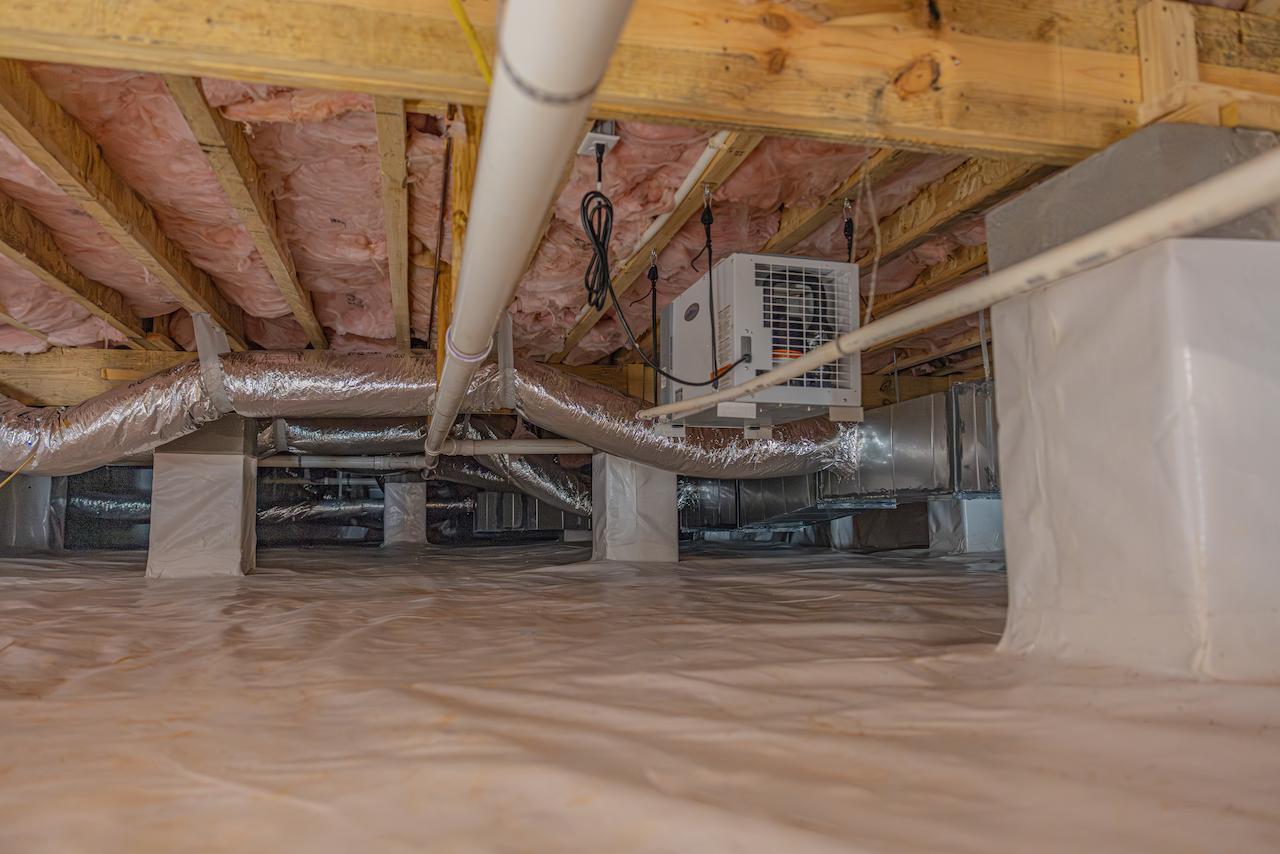
Maintaining a finished basement in Pell City requires a keen understanding of moisture control and air quality management. These factors are crucial for preventing mold growth and ensuring a healthy living environment. This article will explore effective strategies for moisture control, the importance of air quality, and best practices for maintaining a safe and comfortable basement. Homeowners often face challenges with humidity levels, which can lead to structural damage and health issues. By implementing the right solutions, such as dehumidifiers and ventilation systems, you can protect your investment and enhance your living space. We will cover how to choose the best basement dehumidifier, effective humidity control techniques, air quality improvement methods, mold prevention practices, and energy-efficient solutions.
Selecting the right basement dehumidifier is essential for effective moisture control. A quality dehumidifier not only reduces humidity levels but also protects your basement from mold and mildew. When choosing a dehumidifier, consider factors such as energy efficiency ratings, capacity based on your basement size, and installation options. An energy-efficient model can significantly lower your energy bills while maintaining optimal humidity levels.
Energy-efficient basement dehumidifiers come with several key features that enhance their performance. They have Energy Star Certification, which ensures the unit meets strict energy efficiency guidelines and reduces electricity consumption. They also include automatic humidity control that adjusts operation based on current humidity levels, optimizing energy use. Additionally, these units are designed for quiet operation, making them suitable for living spaces. These features not only contribute to lower energy costs but also improve the overall effectiveness of humidity control in your basement.
Professional installation of a dehumidifier can greatly enhance its effectiveness. Experts ensure that the unit is properly sized and placed for optimal performance. This includes correct sizing, where a professional can determine the right capacity based on your basement’s square footage and humidity levels. They also ensure strategic placement to maximize airflow and efficiency, making sure that the entire space is adequately dehumidified. Furthermore, professional installation often includes setting up maintenance schedules, which helps ensure the unit operates efficiently over time. By investing in professional installation, homeowners can achieve better humidity control and extend their dehumidifiers’ lifespan.
Managing humidity levels in a finished basement is crucial for preventing mold growth and maintaining air quality. Several techniques can be used to effectively control humidity, including dehumidifiers, ventilation strategies, and humidity-monitoring systems.
Humidity sensors and ventilation systems work together to create a balanced environment in your basement. Humidity sensors monitor moisture levels and can trigger ventilation systems to activate when humidity rises above a set threshold. This process helps to prevent excess moisture by actively managing humidity levels, which reduces the risk of mold growth. It also improves air circulation by ensuring that stale air is replaced with fresh air, enhancing overall air quality. Many modern systems can integrate with dehumidifiers for optimal humidity control. This integrated approach ensures that your basement remains a safe and comfortable space.
Smart humidity control technologies are becoming increasingly popular among homeowners in Pell City. These systems offer advanced features that enhance moisture management. They include Wi-Fi connectivity, which allows remote monitoring and control via smartphone apps. They also provide automated adjustments, enabling systems to automatically adjust settings based on real-time humidity data. Additionally, users receive alerts and notifications when humidity levels exceed safe thresholds, prompting timely action. These technologies not only improve convenience but also provide peace of mind for homeowners concerned about moisture issues.
Improving air quality in your finished basement is essential for preventing mold growth and ensuring a healthy living environment. Effective strategies include enhancing air circulation, using air purifiers, and controlling moisture levels.
Air purifiers and improved ventilation are critical components of maintaining good air quality in basements. Air purifiers filter contaminants by removing dust, allergens, and mold spores from the air, which improves overall air quality. Improved ventilation systems enhance fresh air flow by ensuring that fresh air circulates throughout the basement, reducing stale air buildup. These systems also support humidity control by maintaining lower humidity levels, which helps prevent mold growth since mold thrives in damp environments. Implementing both air purifiers and ventilation systems creates a healthier atmosphere in your basement.
Controlling moisture is the most effective way to reduce mold risk in basements. Mold thrives in damp conditions, so maintaining optimal humidity levels is crucial. Key strategies include regular monitoring using humidity sensors to keep track of moisture levels and taking action when necessary. Prompt repairs are also important; addressing any leaks or water intrusion immediately helps prevent moisture accumulation. Additionally, investing in a quality dehumidifier to maintain humidity levels below 60% is ideal for mold prevention. By actively managing moisture, homeowners can significantly reduce the likelihood of mold growth in their basements.
Preventing and addressing mold in finished basements requires a proactive approach. Best practices include regular inspections, effective remediation methods, and preventative strategies.
Identifying early signs of mold is crucial for effective prevention. Homeowners should look for visual signs such as dark spots or discoloration on walls and ceilings, which can indicate mold growth. They should also be aware of musty odors, as a persistent musty smell often signals hidden mold issues. Increased allergies are another indicator; unexplained allergy symptoms among household members may suggest mold presence. Regular inspections and awareness of these signs can help catch mold issues before they escalate.
When mold is detected, effective remediation methods are essential. Homeowners can consider cleaning with detergents, using non-toxic cleaning solutions that effectively remove mold from surfaces. For extensive mold issues, hiring professional remediation services ensures safe and thorough removal. After remediation, implementing preventative measures such as moisture control strategies helps prevent future mold growth. These methods provide a comprehensive approach to managing mold in finished basements.
Check out our social pages for updates on what we have going on!

Stay Dry Waterproofing LLC
12500 Bedford Forrest Ln, McCalla, AL, 35111
Monday - Friday: 6:00am - 6:00pm