
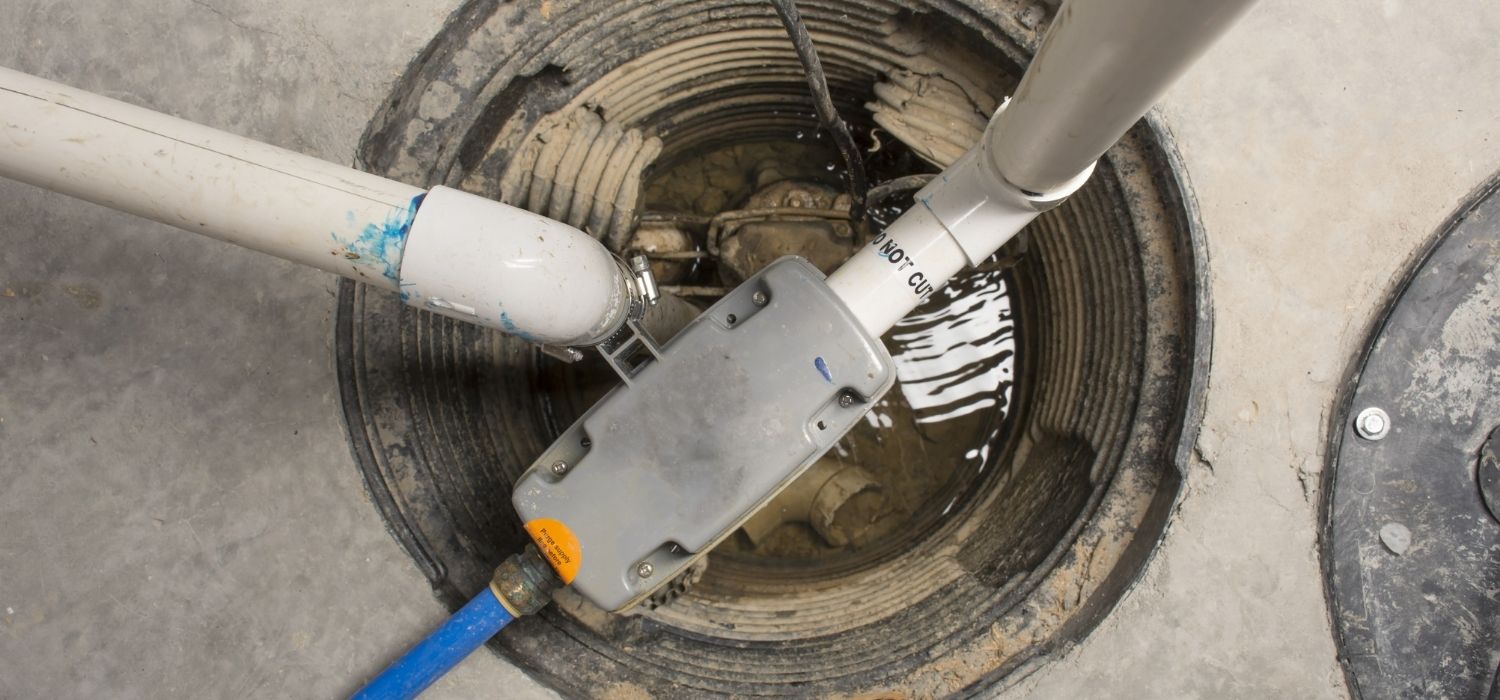
Choosing the right sump pump and backup power setup matters in Bessemer, McCalla, Hueytown, and the surrounding areas in Alabama. Heavy rain and storms can overwhelm our basements and crawl spaces, and a properly selected pump, along with a reliable backup, helps keep water out and stress down.
This guide walks you through what to look for in a sump pump, why battery backups matter, and how we at Stay Dry Waterproofing handle installation and long‑term care so your system works when you need it most.
Picking the correct sump pump starts with your home’s needs. Alabama’s rainy seasons can mean sudden, heavy water inflow, so you want a pump built to move water quickly and run dependably. Think about pump type, capacity, and features like float switches or alarms that boost reliability.
Submersible pumps sit inside the pit and handle large volumes quietly and efficiently, making them a common choice for basements that see heavy water use. Pedestal pumps mount above the pit, making them easier to service, but they can be noisier and less suited to high flow rates. Each has advantages, but the right option depends on how much water you expect and your space’s layout.
The float switch tells the pump when to run. Tethered floats are flexible and work well with irregular water levels. Vertical floats are compact and ideal for tight pits. Electronic switches add precision, adjustable settings, and often alarms. Matching the float type to your pit and pump helps prevent short cycling and missed activations.
Size and capacity determine whether a pump can keep up during storms. Too small and it struggles. Too large and you waste energy. Balance pump flow and the lifting height to find a unit that reliably handles your worst‑case water volume.
Use this formula to estimate the required horsepower: Gallons per minute (GPM) indicates how much water the pump moves per minute. Total Dynamic Head measures the height and the friction the pump must overcome. These numbers help you choose a pump that performs under real conditions without overpaying for power.
Your sump pit needs to fit the pump and allow proper water collection. A pit that’s too small can cause the pump to cycle excessively or trap debris. We recommend at least an 18‑inch diameter and 24‑inch depth as a general guideline to give most pumps room to work reliably.
When the power goes out during a storm, a battery backup keeps your pump running. Systems differ by battery chemistry, run time, and maintenance needs, so you should choose a setup that matches how long outages typically last and how often storms hit your neighborhood.
LiFePO₄ (Lithium Iron Phosphate) batteries last longer, charge faster, and handle heat better. They’re a long‑term, higher‑up-front option. Absorbent glass mat (AGM) batteries are more affordable and perform reliably for shorter cycles, but typically need replacement sooner. Your budget and expected runtime help determine which is right.
Run time depends on battery capacity and pump power draw. Typical AGM backups run a sump pump about three to eight hours on a full charge. LiFePO₄ systems often extend that to 10 hours or more, depending on size. Regular checks of charge level, terminal condition, and mounting keep backups ready when storms hit.
We install and replace sump pumps with an eye toward long‑term reliability. Our waterproofing service team brings over 15 years of experience to every job, from sizing and placement to final system checks, so your pump performs the way it should when the weather turns bad.
Installation starts with a site visit to assess the basement or crawl space and recommend the right pump and location. We handle pit preparation, mounting, plumbing, and electrical hook‑ups, then test the whole system and walk you through basic maintenance so you leave knowing it’s done right.
Consider replacing your pump if it makes strange noises, runs on short cycles, or fails to keep the basement dry. Pumps older than 7–10 years are more likely to fail when you need them, so proactively replacing aging equipment is a common and smart choice.
Simple, regular care helps prevent most problems, and a little attention keeps pumps working longer and gives you confidence through storm season. Monthly checks should include powering the pump to confirm operation, clearing debris from the pit, and inspecting the discharge line for clogs or freezes. Test the float switch and backup battery on a schedule—catching issues early avoids emergency repairs.
An alarm warns you of high water or pump failure so you can act before damage starts. Alarms are inexpensive insurance, especially useful when heavy rain or power outages are likely.
Getting the right sump pump and backup power for your home in Bessemer, McCalla, Hueytown, or a nearby area helps prevent costly water damage and gives you confidence through storm season. Understand your options, plan for backups, and schedule professional installation and maintenance. If you want help, our team is ready to guide you from assessment to a reliable, warrantied system. Contact us to learn your best options and protect your home.
Check out our social pages for updates on what we have going on!

Stay Dry Waterproofing LLC
12500 Bedford Forrest Ln, McCalla, AL, 35111
Monday - Friday: 6:00am - 6:00pm