Water damage is one of the most costly and disruptive problems a homeowner in Pelham, Alabaster, and Helena, AL, can face. Beyond the cost of repairs, it can harm indoor air quality and pose health risks. This guide walks through the common signs of water trouble in basements, crawl spaces, and foundations so you can spot issues early, take practical steps to help prevent further damage, and know when it’s time to call a professional waterproofing service.
Basements show water problems in a few predictable ways. Look for visible stains, persistent dampness, musty odors, and any mold growth. Each of these clues points to unwanted moisture and, if ignored, can lead to bigger structural or health issues.
Water stains on walls or floors, often yellow, brown, or darker, indicate moisture has reached the surface. A musty smell usually signals trapped moisture or mold growth. Both affect indoor air quality and can cause health symptoms over time. Catching these signs early keeps repair costs down and your home safer.
When mold appears, it’s a clear sign of ongoing dampness. Mold spores can trigger allergies and respiratory issues, and prolonged mold can damage wood and other materials. Treating the moisture source fast is the only reliable way to help stop mold from coming back.
Crawl spaces are easy to forget, but they’re often where moisture problems start. High humidity, rotting or discolored wood, and a persistent musty smell are the main red flags that your crawl space needs attention.
A wet crawl space will feel humid and may show condensation on pipes or joists. Look for softened or darkened wood, rust on metal parts, and signs of mildew. Over time, this moisture can compromise the floor structure and indoor air quality above.
A musty odor coming from under the house usually means mold or mildew has taken hold. That smell is a strong indicator of hidden moisture. Check the vapor barrier, ventilation, and any plumbing or drainage issues that could be letting water in.
Foundation problems often start small but grow fast. Homeowners should watch for cracks in walls, floors that feel uneven or slope, and standing water near the foundation—all signs that water is affecting the home’s structure.
Cracks and uneven floors can indicate foundation settlement or shifting, and water is a common cause. When soil becomes saturated, it shifts and puts pressure on foundation walls. Have a professional evaluate any new or widening cracks to determine the cause and the right fix.
Water collecting at the base of your home usually means poor drainage. Left unaddressed, that water can seep into the foundation, causing mold or structural damage. Proper gutters, downspouts, and grading direct water away from your home, reducing that risk.
Finding mold or consistently high humidity early prevents health problems and protects your home’s structure. The sooner you address excess moisture, the easier and less costly the remediation will be.
Mold releases spores that reduce indoor air quality and can trigger respiratory symptoms. It also feeds on organic materials, weakening wood and insulation over time. Controlling moisture is the only long-term solution to both air quality and structural concerns.
Prolonged exposure to moisture and mold can worsen asthma and allergies and increase the risk of respiratory infections, especially for children, seniors, and those with weakened immune systems. That’s why addressing dampness quickly is important for everyone in the home.
Preventive steps protect your home and your wallet. Common, effective strategies include installing or improving drainage systems, encapsulating crawl spaces, and using dehumidifiers to keep humidity levels in check.
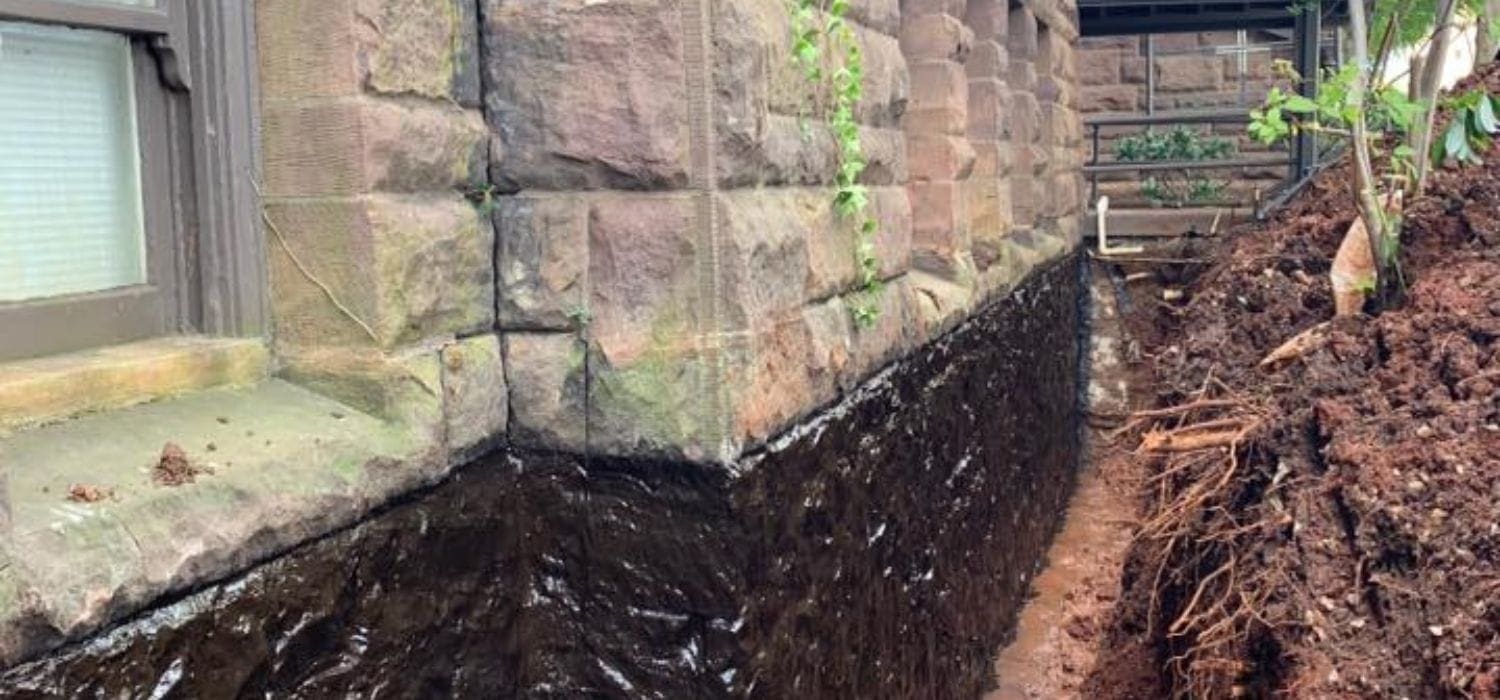
Drainage systems move water away from the foundation so it doesn’t pool or seep into the foundation. Crawl space encapsulation seals the area with a vapor barrier and often includes a drain and sump to keep the space dry. Together, these measures stop moisture at the source and reduce mold risk.
Install dehumidifiers when indoor relative humidity regularly climbs above about 60%. A simple hygrometer can track levels. Dehumidifiers stabilize humidity, discourage mold growth, and help protect finishes and stored items.
Call a professional if moisture problems persist despite simple fixes, if you see visible mold, or if structural symptoms like widening cracks or sagging floors appear. Early professional help prevents larger, more expensive repairs later.
A professional inspection uncovers hidden leaks, identifies the moisture source, and recommends targeted solutions. Experts bring tools and experience that save time and prevent repeated fixes, and they can document conditions for insurance or resale.
At Stay Dry Waterproofing, we specialize in waterproofing basements and crawl spaces, with more than 20 years of experience serving Pelham, Alabaster, and Helena. We understand local soil and weather patterns and offer tailored solutions to keep homes dry, healthy, and protected.
Installing waterproofing measures greatly reduces the risk of water damage in your home and helps maintain a safer, healthier living space for your family.
Spotting water damage early and investing in the right waterproofing solutions protects both your home and your family’s health. Address moisture, mold, and drainage problems now to avoid larger repairs later. If you have questions or want a professional assessment, explore our waterproofing services, and we’ll help you keep your home dry and secure.
Check out our social pages for updates on what we have going on!

Stay Dry Waterproofing LLC
12500 Bedford Forrest Ln, McCalla, AL, 35111
120 19th St N Ste 208, Birmingham, AL 35203
Monday - Friday: 6:00am - 6:00pm