
Foundation problems can quickly turn into major headaches if left unchecked. This guide walks homeowners in Homewood, Gardendale, and Trussville through how to spot foundation damage, what repair options look like, and what costs to expect. Read on for clear, no-nonsense advice so you can protect your home and make the right call when foundation repairs are needed.
Watch for these common signs that your foundation might need attention:
Any of these signs suggests water is affecting your home’s structure and that a professional evaluation is a smart next step.
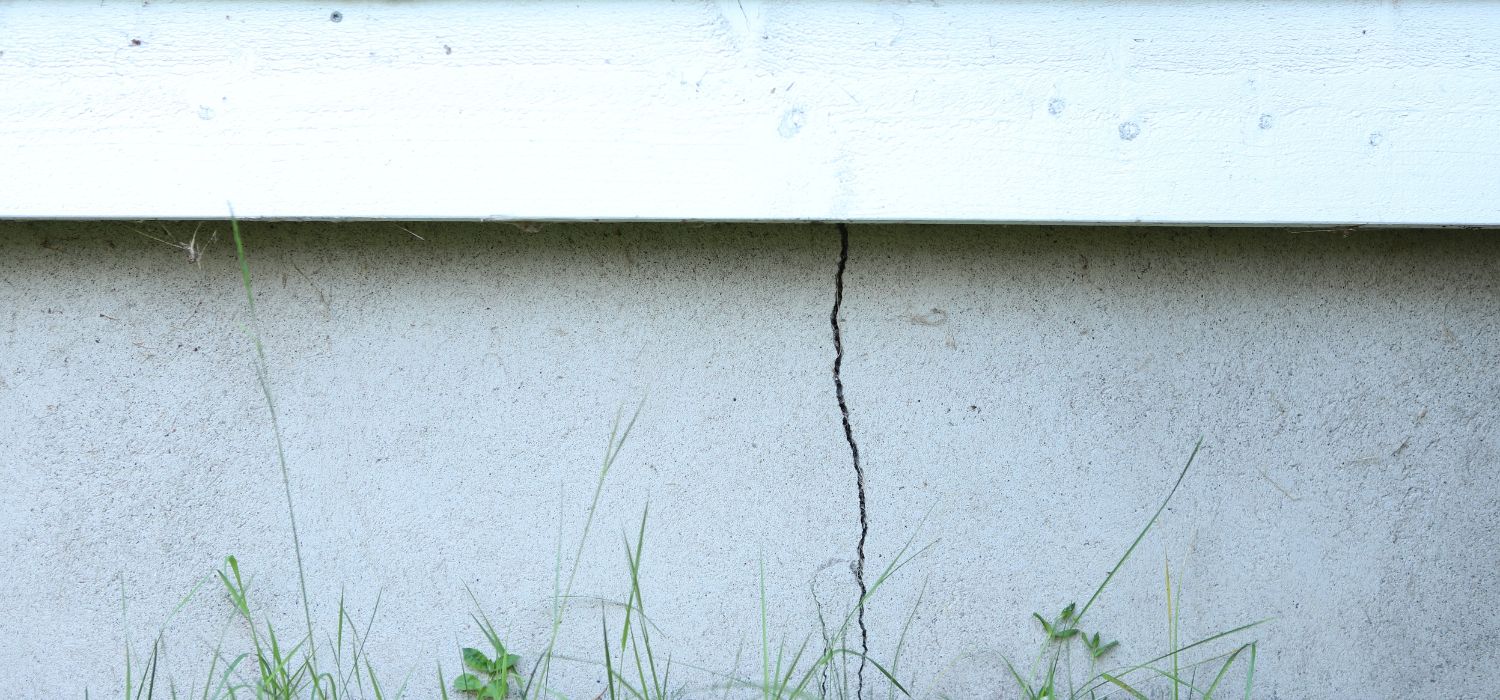
Not all cracks are equal. Structural cracks tend to be wider, diagonal, or accompanied by other symptoms, such as sagging floors or doors that stick. Hairline cracks are thin and often caused by normal settling or temperature changes. If a crack is widening or you notice other structural issues, have a pro inspect it. Early action can prevent bigger fixes later.
Repair costs vary depending on damage and site conditions. Knowing the main cost drivers helps you plan and compare estimates.
Costs depend on several local and technical factors, including the following:
Epoxy injection is the go-to when a crack affects structural integrity. Technicians inject a high-strength epoxy into the crack to bond the concrete back together. It’s especially appropriate for cracks wider than 1/8 inch or ones that show movement.
Polyurethane injection is effective at stopping water at the source. The flexible foam expands into hairline cracks to form a watertight barrier, making it a strong option in damp or flood-prone areas.
Beyond simple waterproofing, some polyurethane systems are engineered to address settlement and lift small portions of a foundation when needed.
Use these simple markers to tell if a crack is likely structural or cosmetic:
Cracks that appear with water damage, uneven floors, or other structural signs are more likely to be serious.
Structural cracks tend to widen over time and may be accompanied by sagging floors or misaligned doors. Common causes include poor drainage, prolonged moisture intrusion, and soil movement driven by local weather patterns. Quick assessment and repair can prevent more extensive, expensive work later.
Hairline cracks often start small but can grow if moisture and drainage problems aren’t fixed. Early detection and a professional inspection will tell you whether a simple waterproofing fix is enough or if a stronger repair is needed.
At Stay Dry Waterproofing, we provide a range of local services: foundation waterproofing, crawl space repair and encapsulation, and drainage system installation. We focus on solutions that prevent water intrusion, protect structural elements, and reduce the risk of future damage.
We design repairs with local soil and drainage conditions in mind. In Homewood, Gardendale, and Trussville, that often means targeted drainage work, crawl space encapsulation, and injections or repairs sized to the specific issue at your home.
We back our work with a lifetime warranty so you can have long-term peace of mind. We also provide free, no-obligation estimates so you understand the scope and cost before any work begins.
Calling a professional at the right time can save money and stress down the road. Arrange a professional inspection if you see widening cracks, sagging floors, water stains, musty odors, visible mold, or pooling water around the foundation. These symptoms often indicate active problems that need timely action.
Here are some simple tips to avoid future foundation issues:
Following these tips can help protect your home and keep repair needs to a minimum.
Address foundation concerns promptly so small issues don’t become major repairs. Knowing the signs, repair options, and costs helps you make informed decisions. When you choose Stay Dry Waterproofing, you get locally tailored solutions, a lifetime warranty, and a free estimate to get started. Protect your investment. Schedule a complimentary estimate today.
Check out our social pages for updates on what we have going on!

Stay Dry Waterproofing LLC
12500 Bedford Forrest Ln, McCalla, AL, 35111
Monday - Friday: 6:00am - 6:00pm