Soggy yards can be a significant nuisance for homeowners in Leeds, Chelsea, and Calera, Alabama. Understanding the underlying causes of water pooling and the most effective drainage solutions is essential for maintaining a healthy lawn. This article will explore various yard drainage solutions, focusing on the specific challenges faced in these Alabama locations. Readers will learn about the causes of soggy yards, the best drainage systems, installation and maintenance tips, and how to choose reliable contractors for drainage solutions. By addressing these issues, homeowners can transform their yards into dry, usable spaces.
Soggy yards often result from a combination of local soil types, climate conditions, and water pooling issues. Understanding these factors is crucial for implementing effective drainage solutions. In Leeds, Chelsea, and Calera, the unique characteristics of the soil and the region’s climate play significant roles in yard drainage problems.
Local soil types can greatly influence how water drains in a yard. For instance, clay soils, which are common in Alabama, tend to retain water due to their compact nature, leading to poor drainage and water pooling. In contrast, sandy soils allow for better drainage but may not retain moisture effectively. Homeowners should assess their soil type to determine the best drainage solutions for their yards.
Alabama’s climate, characterized by high humidity and significant rainfall, exacerbates yard drainage issues. Seasonal variations, particularly heavy rains during spring and summer, can overwhelm drainage systems and lead to water accumulation. Understanding these climatic impacts helps homeowners anticipate potential drainage problems and take proactive measures to mitigate them.
Selecting the right yard drainage system is essential for effectively managing water runoff and preventing soggy yards. Various systems are available, each with its advantages and suitability for different conditions.
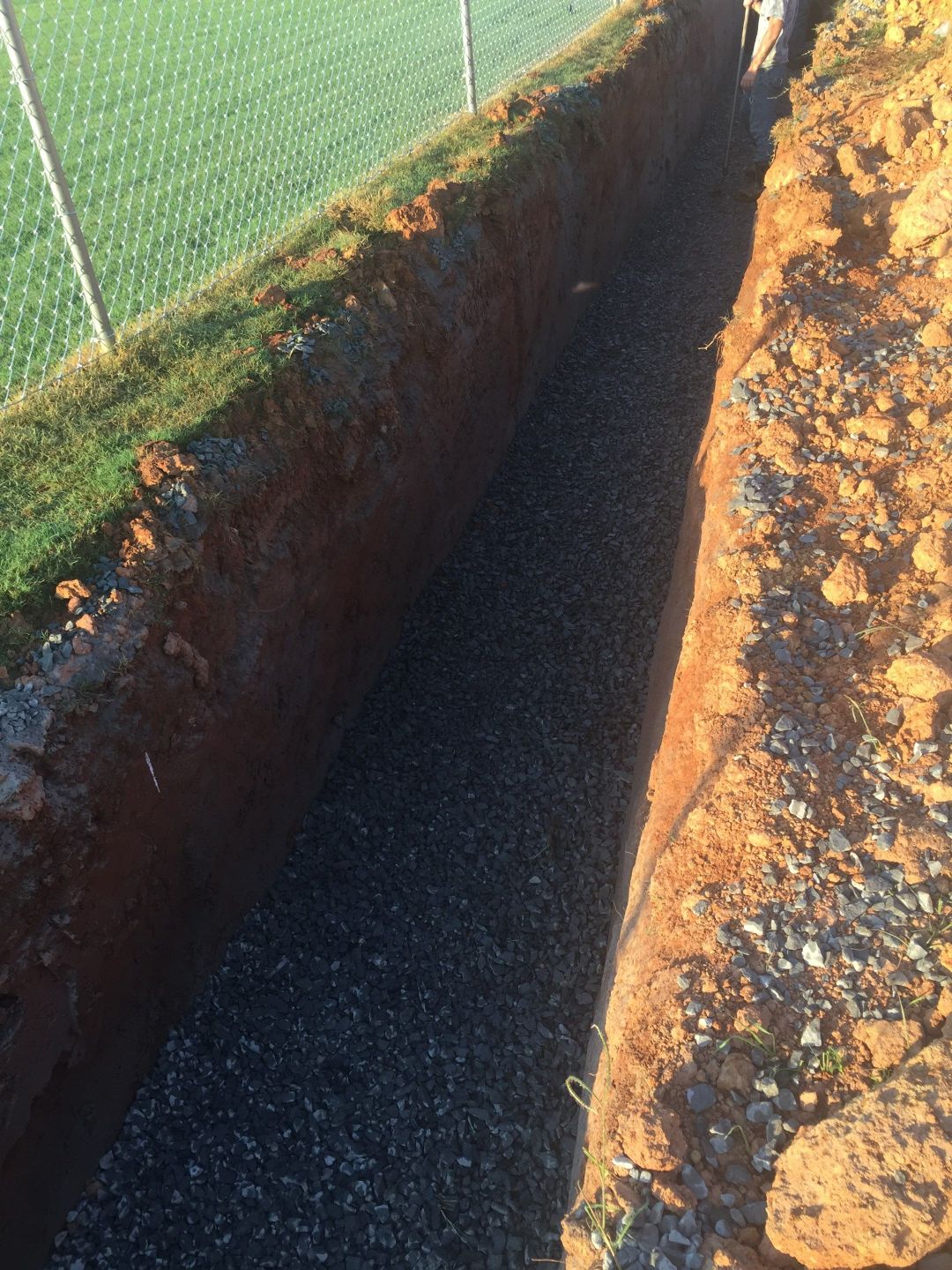
A French drain is a popular solution for improving yard drainage. It consists of a trench filled with gravel and a perforated pipe that redirects water away from problem areas. This system effectively collects and channels excess water, preventing pooling and promoting healthier soil conditions. Regular maintenance, such as clearing debris from the drain, ensures its continued effectiveness.
Surface drainage systems, such as swales and ditches, manage water runoff at the ground level, while subsurface drainage systems, like French drains, work below the surface. Each method has its pros and cons. Surface drainage is often easier to install and maintain, but subsurface systems can be more effective in areas with poor surface drainage or high water tables. Homeowners should consider their specific yard conditions when choosing between these options.
For those looking to implement effective drainage solutions, consulting with local experts can provide tailored recommendations based on specific yard conditions and needs.
Installing and maintaining French drains is crucial for effective yard drainage. Understanding the installation process and maintenance requirements can help homeowners ensure their systems function optimally.
Installing a French drain involves several key steps. First, planning is essential to identify the areas where water accumulates and determine the best route for the drain. Next, excavation requires digging a trench that slopes away from the problem area, typically with a 1-2% slope. After excavation, a layer of gravel is placed at the bottom of the trench to facilitate drainage. Then, a perforated pipe is laid on top of the gravel, ensuring the holes face downwards. Finally, more gravel is added on top of the pipe, and the trench is covered with landscape fabric before backfilling with soil to prevent soil infiltration. Following these steps ensures a properly functioning French drain that effectively manages water runoff.
Regular maintenance of French drains is essential for their longevity and effectiveness. Homeowners should inspect their drains at least once a year, clearing any debris that may obstruct water flow. Additionally, checking for signs of erosion or settling around the drain can help identify potential issues early. Proper maintenance can extend the life of the drainage system and prevent costly repairs.
Yard grading and surface drainage techniques are effective methods for addressing water pooling issues. Properly grading a yard can direct water away from structures and prevent accumulation.
Effective yard grading techniques include creating a slope away from the foundation of the home to direct water runoff, typically a minimum of 2% slope (about a quarter inch per foot) for at least 10 feet. Additionally, building terraces on sloped yards can slow down water flow and promote absorption. Using retaining walls can also help manage water flow and prevent erosion. These techniques can significantly improve drainage and reduce the likelihood of soggy yards.
Surface drainage systems, such as ditches and swales, help manage excess water by directing it away from problem areas. These systems can be particularly effective in preventing soggy lawns by allowing water to flow freely and reducing the risk of pooling. Implementing surface drainage solutions can enhance the overall health of the yard and improve usability.
When choosing drainage contractors, homeowners should consider several important criteria. Experience is key, so look for contractors with a proven track record in yard drainage solutions. Checking online reviews and testimonials can help gauge customer satisfaction. It is also essential to ensure the contractor is licensed and insured to protect against potential liabilities. Selecting a qualified contractor can make a significant difference in the success of drainage projects.
Check out our social pages for updates on what we have going on!

Stay Dry Waterproofing LLC
12500 Bedford Forrest Ln, McCalla, AL, 35111
Monday - Friday: 6:00am - 6:00pm